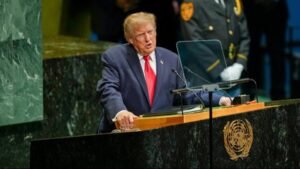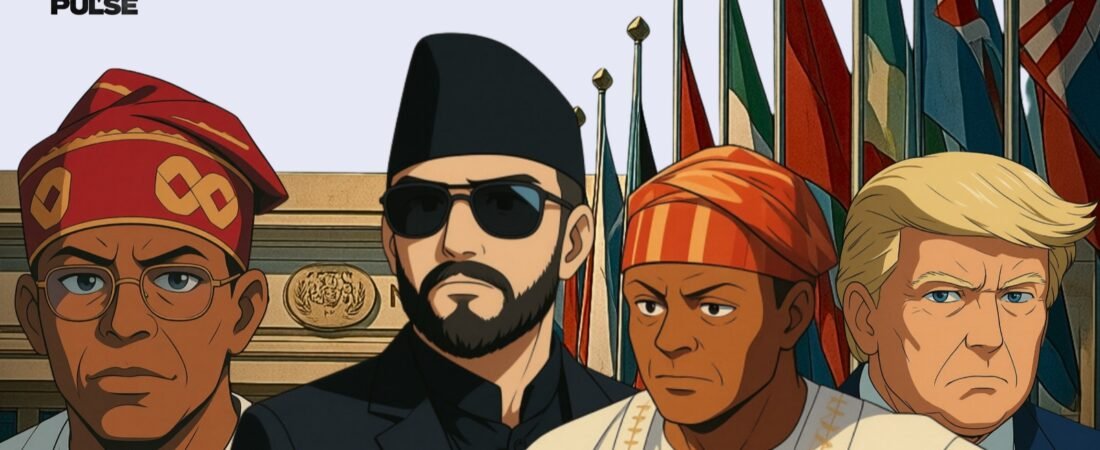
Nepal’s Prime Minister, Balendra Shah, went to New York this week carrying grief with this powerful quote:
We have built a world with flawless logistics for war and broken logistics for food.
Less than a month before he stood at the United Nations General Assembly, floods and an avalanche of ice and rock had torn through his country’s mountain villages, killing at least 1,400 people and leaving more than 6,000 missing. Many leaders in his position would have used the podium to ask for sympathy. He used it to tell the truth.
We have built a world with flawless logistics for war and broken logistics for food,” he said.
He explained what he meant in plain terms.
Missiles arrive on time, rifles and ammunition cross borders without trouble yet a farmer in Nepal can not get fertilizer or fuel at a fair price when the planting season comes.
He went further and called on his neighbours by name, asking the Assembly to go and ask Bangladesh, Pakistan and Sri Lanka whether their story was any different.
He spoke for his region in its own voice and did not wait for anyone to speak for it.
I listened to that speech from Nigeria, and I could not stop replacing his list with ours.
Mali, Burkina Faso, Niger, Nigeria, Sudan, Congo.
The logistics of war work perfectly well on our continent too.
What I kept asking myself was why so few African leaders said so with the same courage.
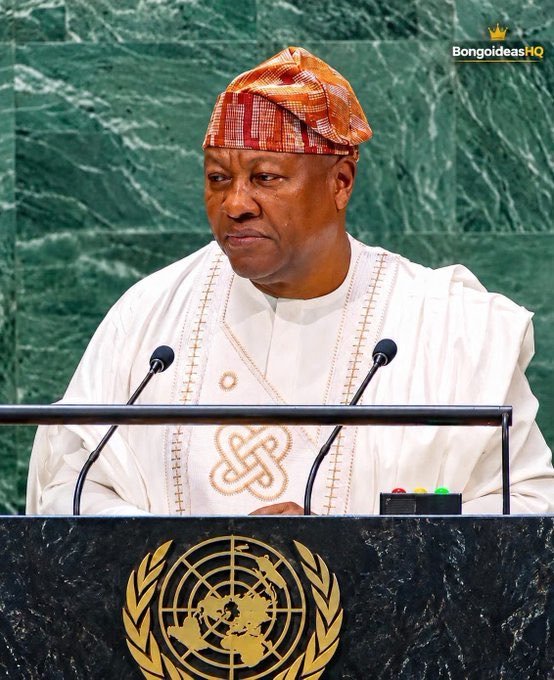
Ghana’s President John Mahama spoke on the same day, and his speech was among the most praised from Africa this year. Much of that praise was earned. He spoke with conviction about reparations, debt, climate finance and Africa’s minerals, and he demanded permanent African seats on the Security Council with full veto power.
His strongest passage, though, was about Gaza.
He told the world to stop hiding behind “diplomatic euphemisms,” he named Hind Rajab, the little girl who was only five years old when she was killed, and he spoke of more than twenty thousand children who have died in that war.
He condemned Hamas as well.
It was clear and moving, and it showed exactly what an African president sounds like when he decides a tragedy deserves his full voice.
When he turned to Africa, that voice grew quieter. Sudan received a single sentence asking the world to do more about what he called, citing reports, the worst humanitarian crisis on earth.
The Sahel received another sentence offering solidarity to the Alliance of Sahel States against terrorism. Congo was never mentioned nor the north of Nigeria.
Gaza matters, and African leaders are right to speak about it.
My concern is the difference in tone. The same president who asked the world to drop its euphemisms on Gaza used the careful language of a humanitarian report for Sudan, even though a UN investigation concluded in July that the Rapid Support Forces committed genocide in El Fasher. The UN Human Rights Office recorded more than 6,000 people killed in the first three days of the final assault on that city alone.
No Sudanese child was named from that podium.
No Congolese mother was named either.
Earlier this year, seven Ghanaian traders were killed in Burkina Faso by suspected Islamist fighters and even they did not find a place in the speech.
Nigeria did better on substance, and it is only fair to say so.
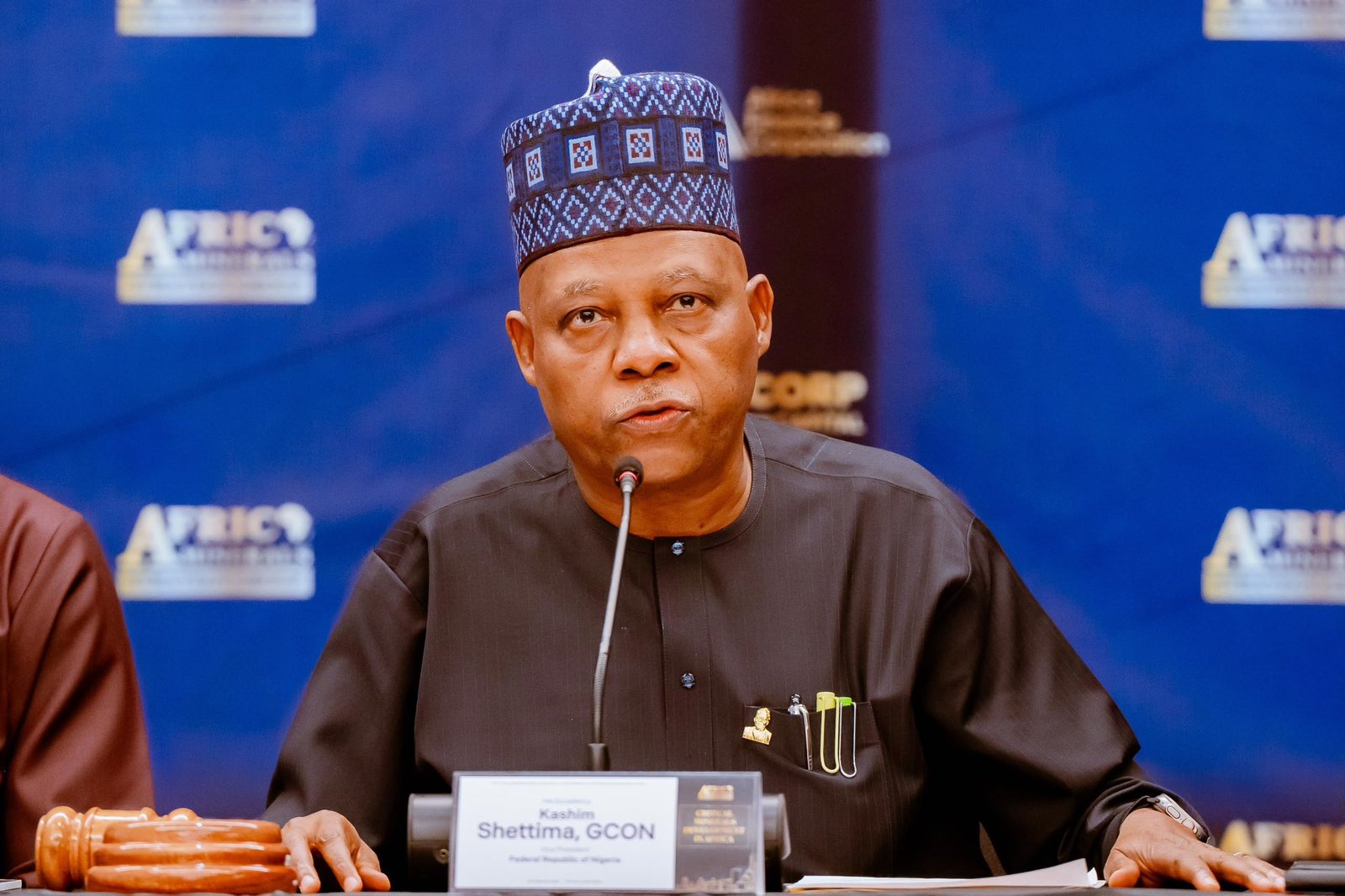
Vice President Kashim Shettima, speaking for President Tinubu, named Boko Haram and ISWAP and spoke about the Sahel but he spoke in the language of policy, about transnational threats and intelligence sharing, and it sounded more like a memo than a warning.
It is also hard to ignore that, once again, the President of Africa’s most populous nation did not travel to New York to say these things himself.
What makes this silence so difficult is the scale of what is happening at home.
The Africa Center for Strategic Studies reports that militant Islamist groups in Africa were linked to a record 23,872 deaths in the year leading up to the middle of 2026.
The toll has passed twenty thousand every year for four years, and roughly 166,000 people have died this way across the continent in the last decade.
Nearly ten thousand of last year’s deaths were in the Sahel, and the Center believes even that number is too low, because the military governments there make honest reporting difficult.
In Mali and Burkina Faso, JNIM, the al Qaeda affiliate, now strikes close to the heart of the state. Mali buried its own Defence Minister, Sadio Camara, in April after he was killed in a militant attack.
In the same month, JNIM killed 28 soldiers and militiamen in one raid on a base in Burkina Faso, and only days before the General Assembly opened, it claimed an attack on the airport at Sévaré in central Mali.
Here in Nigeria, the killing has continued long after officials told us the war was nearly won.
In February, gunmen stormed the villages of Woro and Nuku in Kwara State and killed at least 162 people.
In March, suicide bombers struck Maiduguri, killing at least 27 and wounding 146.
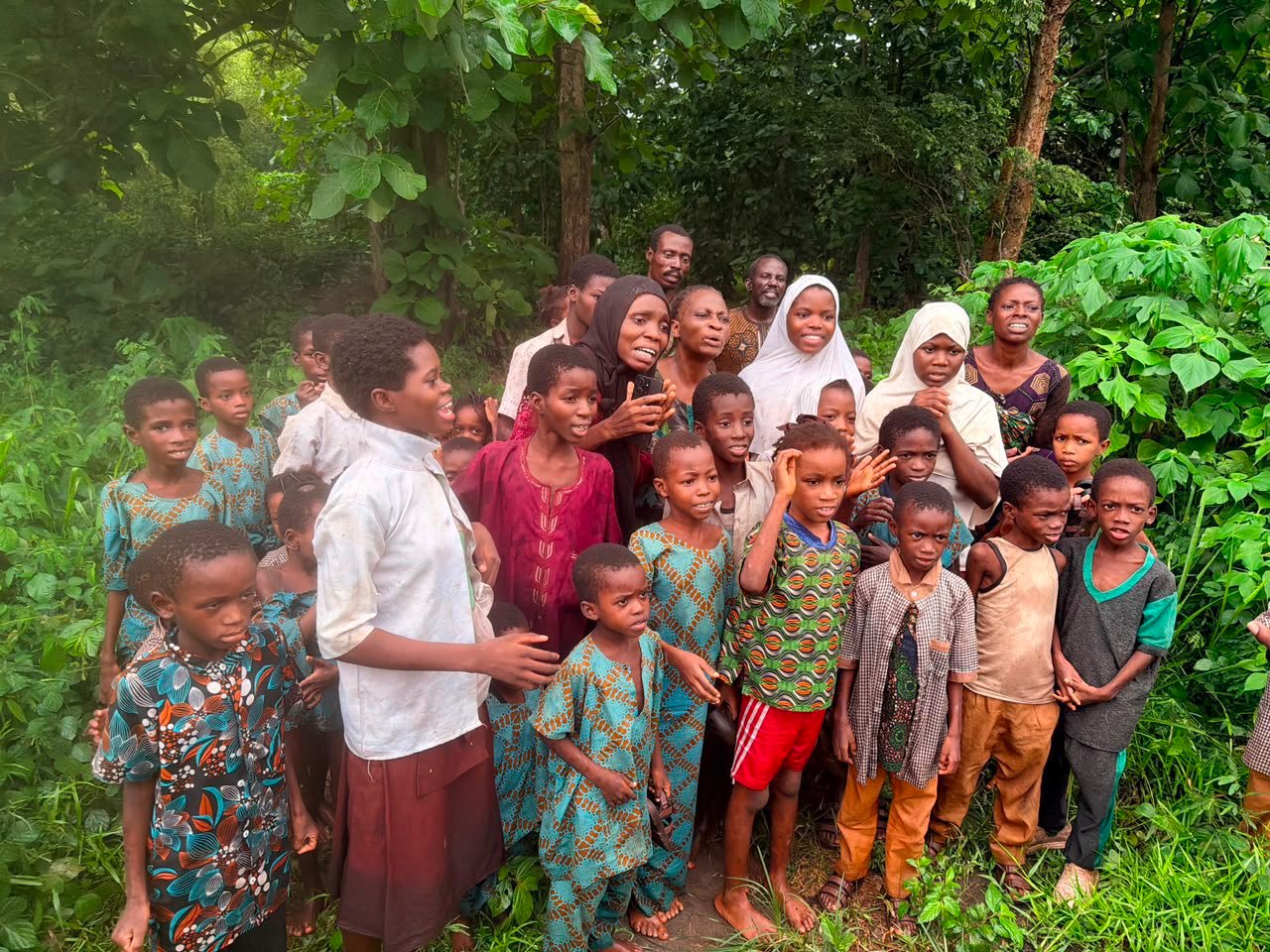
In Oyo, 46 pupils were abducted from their school and their teacher beheaded on camera.
In Borno, Boko Haram and ISWAP fight the army and fight each other, and ordinary people are caught in both wars.
There is a harder truth we must also be willing to say.
In Mali and Burkina Faso, the Africa Center has found that since 2023, soldiers and the militias fighting alongside them have killed more civilians than the jihadists have.
Some of the people meant to protect citizens are among those killing them, and that is precisely why these crises need honest African voices instead of polite ones.
In eastern Congo, the M23 rebels, said to be backed by Rwanda, still hold large areas despite a peace agreement brokered by the United States and talks hosted by Qatar. More than seven million Congolese have been driven from their homes.
UN experts say rape and gang rape have become a regular part of how the group operates, drones and heavy artillery are now used in crowded areas, and an Ebola outbreak is spreading through the same provinces.
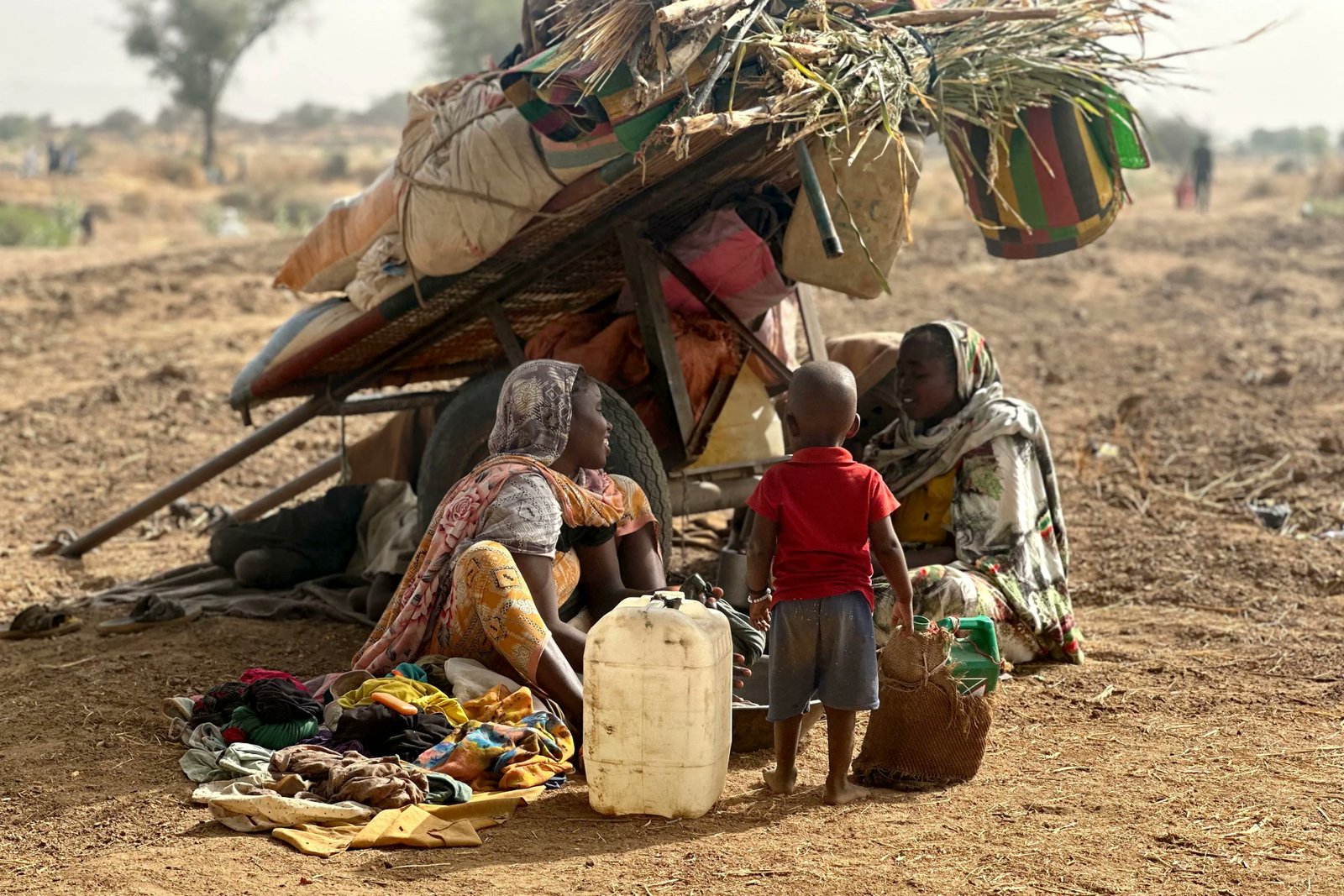
In Sudan, a war that began in April 2023 has brought massacres, famine and one of the largest displacement crises anywhere in the world.
Put all of this beside Balendra Shah’s words and they fit Africa just as well as they fit Nepal. Weapons find their way to JNIM in the Sahel, to the fighters in the Kivus and to the RSF in Darfur without much difficulty.
Food, on the other hand, gets stuck, aid convoys are blocked, farmers cannot reach their fields, and most Africans facing severe hunger live in countries at war.
We, too, have perfected the delivery of war and neglected the delivery of bread.
This brings me to the one demand that united African leaders in New York.
Almost every one of them called for at least two permanent seats for Africa on the Security Council, with the veto, as the African Union has asked since the Ezulwini Consensus of 2005.
Namibia’s president said Africa has been negotiating for far too long, and President Mahama called reform essential to the very survival of the United Nations.
On principle, they are right.
Africa has 54 countries and more than 1.5 billion people, and a large share of the Council’s work concerns African wars. It is hard to defend a world in which no African nation holds a permanent seat in 2026.
Still, I keep wondering what those seats would be used for.
Africa already holds three elected seats on the Council, and those members can call meetings, draft resolutions and push Darfur, the Sahel and the Kivus onto the agenda whenever they choose.
If our leaders will not speak about our own dead with urgency at the General Assembly, where every head of state has the floor, it is fair to ask whether a permanent seat would change very much.
The veto should make us even more careful.
A veto protects interests, and if it arrives before we have learned to speak openly about our own conflicts, it could easily become a way of shielding friendly governments and juntas rather than protecting the people living under them.
So the seat is worth fighting for, but only if we mean to use it well. Africa earns moral authority in the world the same way anyone does, by telling the truth about itself first.
President Mahama said as much near the end of his own speech, when he reminded the Assembly that Africa must put its house in order and that anyone who seeks fairness must come with clean hands. I agree with him.
Clean hands should come with an honest voice.
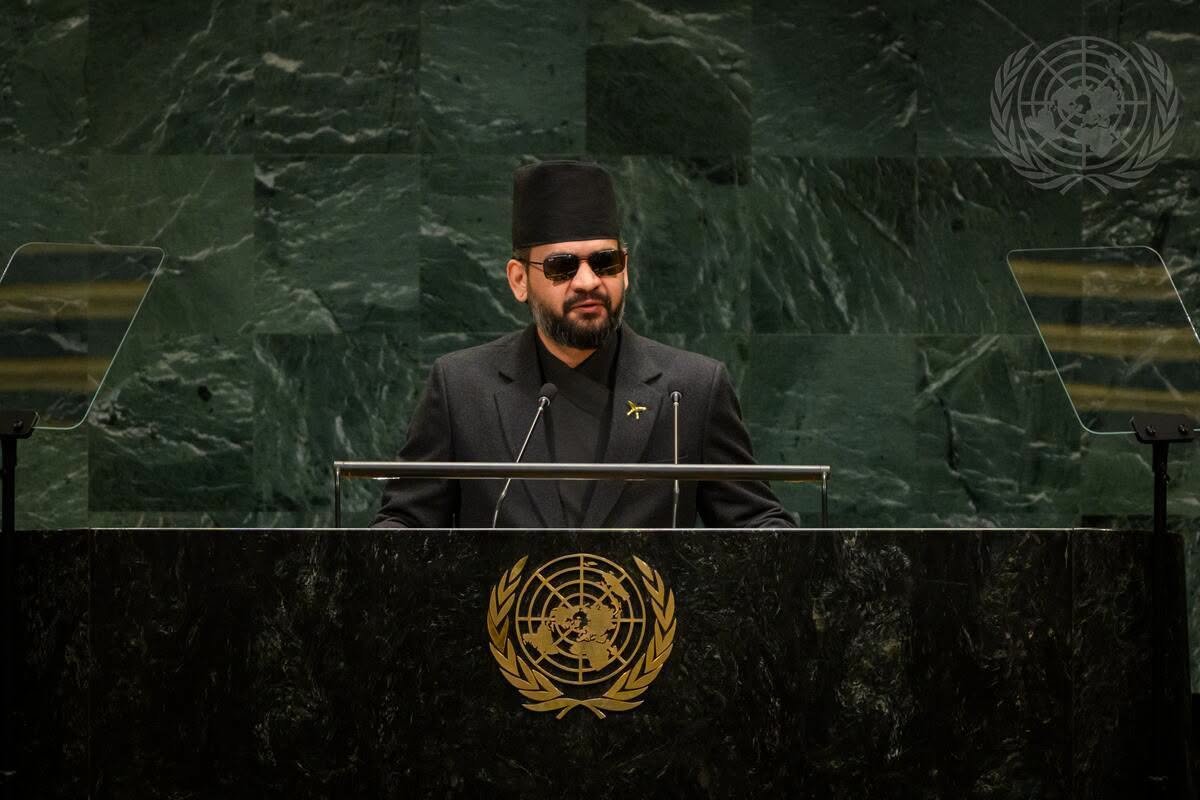
Balendra Shah did not wait for the world to tell Nepal’s story. He told it himself and invited everyone to check.
Next September, I hope to hear an African leader do the same, to stand at that podium and name the towns, the children and the groups that are killing them, even when those killers wear uniforms.
Until that happens, our demand for a permanent seat will sound less like a call for justice and more like a request for a better view.
More to Read