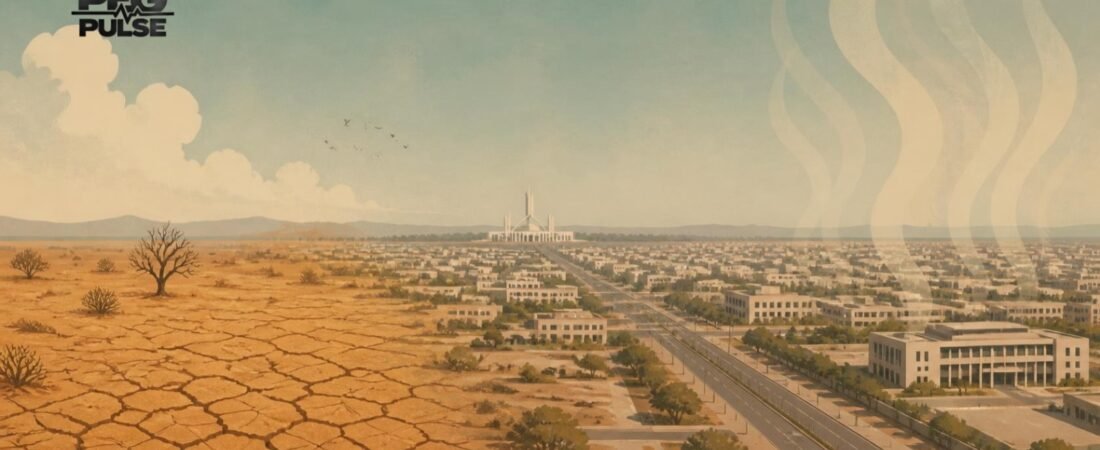

Every time I fly into Abuja, the descent tells me exactly where I am before the pilot does. Through the window, the land below is dry, brown, and open, scattered low shrubs and bare earth stretching toward the horizon as we approach Nnamdi Azikiwe International Airport.
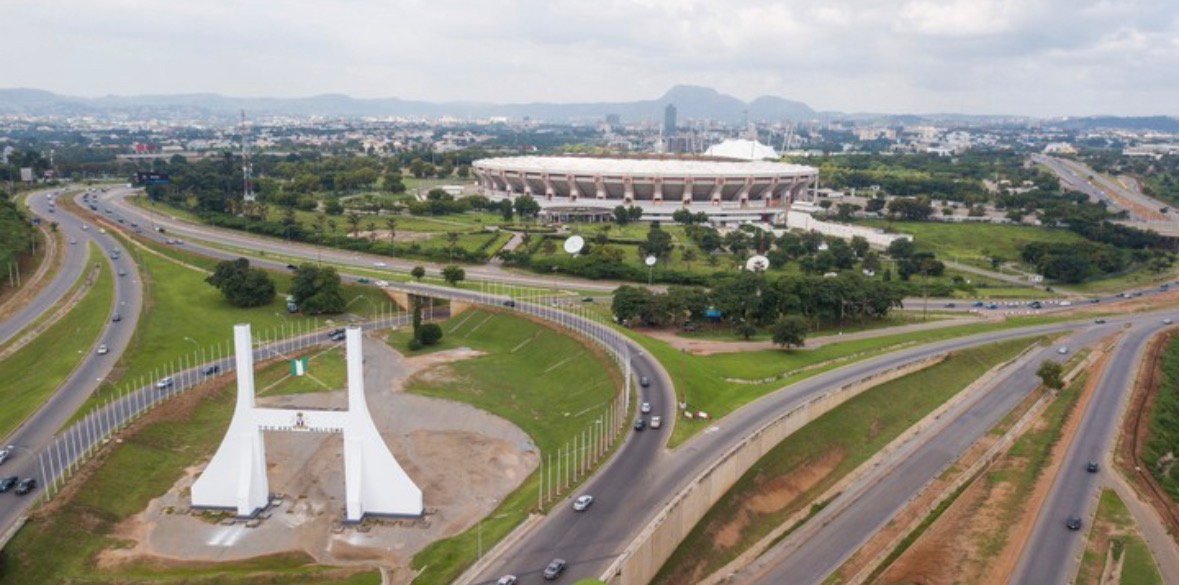
It looks nothing like the deep green I have seen flying into some East African capitals, or even Owerri, a few hours south within Nigeria itself, where the rainforest presses right up against the runway.
Abuja sits in a drier climate zone, and that single fact carries more weight than most people give it. A city built on dry, open land cannot afford to also be a dirty one.
Dust and heat already make the air work harder. Waste and open defecation make it worse.
Unfortunately, that is exactly what a lot of Abuja is dealing with right now.
I notice it most on the busy roads. Young men squatting by the roadside, along stretches that lead into markets, in full view of passing traffic. It is not hidden or occasional.
A 2019 special report by Premium Times already documented this in Abuja specifically, noting that faeces are not unusual sights under bridges, in uncompleted buildings, and by roadsides, even in some of the city’s better known districts, simply because public toilets are so rare that people are left with nowhere else to go. Nationally, the numbers back up what the eye sees.
Nigeria’s WASHNORM III report found that open defecation among Nigerians rose from 46 million people in 2019 to 48 million by 2021 and the practice is estimated to cost the country over one billion dollars a year in related health and economic losses.
Then there is the refuse.
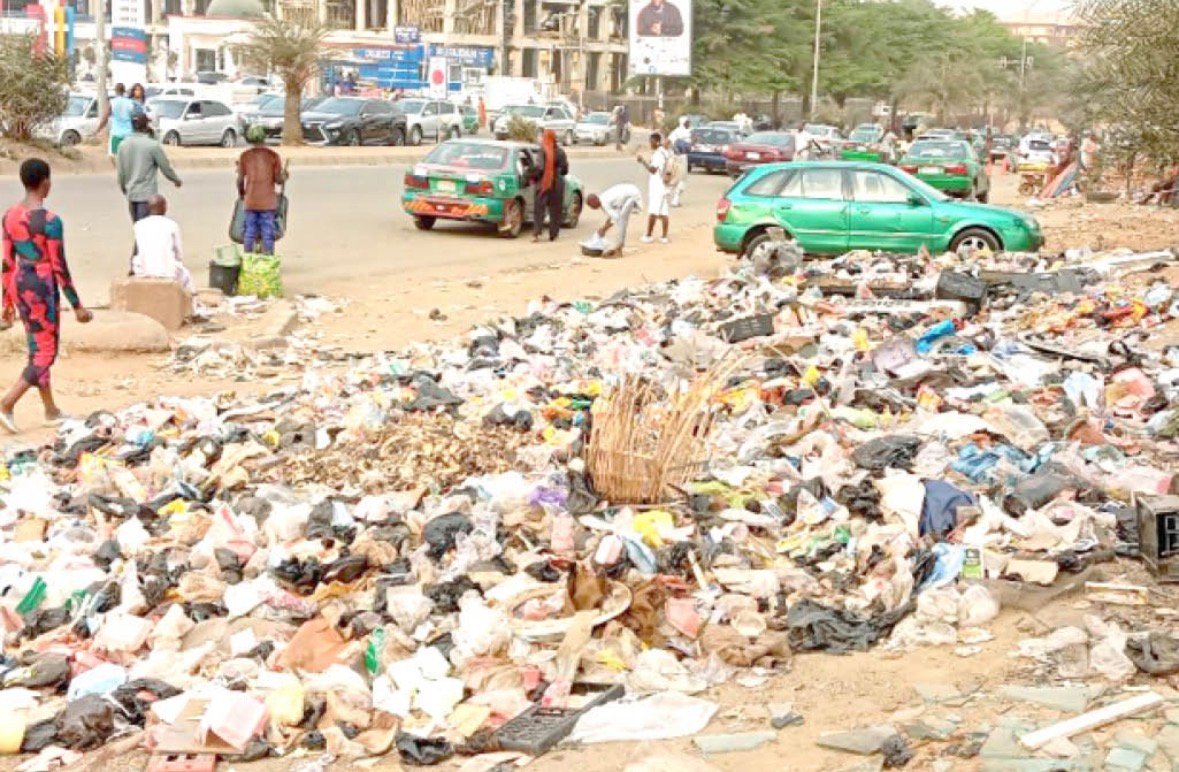
Abuja has always prided itself on being one of Nigeria’s more planned cities, but that image is cracking at the edges.
Reporting from earlier this year on Karu, Nyanya, Kurudu, and Mararaba, satellite towns just outside the city centre, described heaps of refuse spilling from makeshift dumpsites straight onto the road, black nylon bags bursting open with rotting food and plastic waste, flies swarming so heavily that traders say customers simply turn around and leave.
One food seller in Nyanya put it plainly: people cannot sit comfortably to eat when the smell is everywhere.
Similar scenes have been documented along the Karu to Karshi Expressway, and at dumpsites in Gwarimpa, Jabi, Lugbe, and Mabushi, all inside the city proper, not just its outskirts.
This year, the consequences of ignoring all this caught up with the city in a very visible way.
In August 2026, a flash flood hit Wuse II, one of Abuja’s more upscale districts, sweeping through Blantyre Crescent and submerging cars and roads.
A technical investigation by Nigeria’s Federal Ministry of Environment traced much of the damage directly back to blocked manholes and drainage inlets, choked with silt, solid waste, and debris that had nowhere left to go once the rain came.
Some of the manhole covers themselves had reportedly gone missing entirely, stolen for scrap, leaving open drainage channels even more exposed to whatever gets thrown or swept into them.
The Federal Capital Territory Minister, Nyesom Wike, responded by ordering the immediate demolition of structures illegally built on waterways across Abuja, insisting that even properties belonging to influential residents would not be spared.
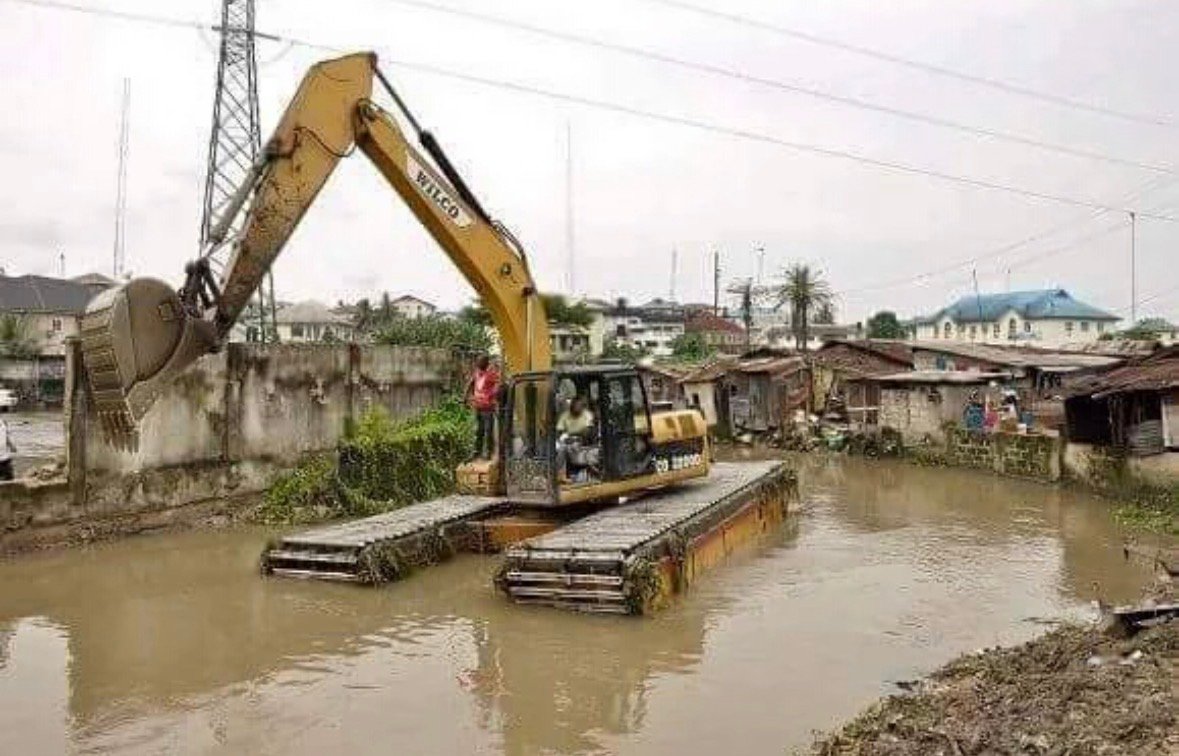
He pointed to a mix of causes: unauthorised construction on drainage routes, green spaces quietly converted into commercial developments, and residents dumping refuse directly into manholes.
When critics online accused his administration of enabling the crisis through land allocations, he pushed back directly, saying plainly that you cannot take all these factors as failure of government.
It is a fair question either way. Whether the deeper failure sits with residents who treat the roadside as a bathroom and a bin, or with years of weak enforcement that let both habits go unchecked, the result is the same city, breathing the same dry air, now carrying a smell it did not always have.
Abuja was never meant to smell like this. A capital built on open, arid land needed cleanliness built into its bones from the start.
Right now, between the open defecation, the refuse, and the flooding it all feeds into, that foundation looks like it is being tested. Whether the answer is more public toilets, better enforced waste contracts, or genuinely keeping development off the waterways for good, something has to hold, before the smell becomes just another thing people in Abuja have quietly learned to live with.