
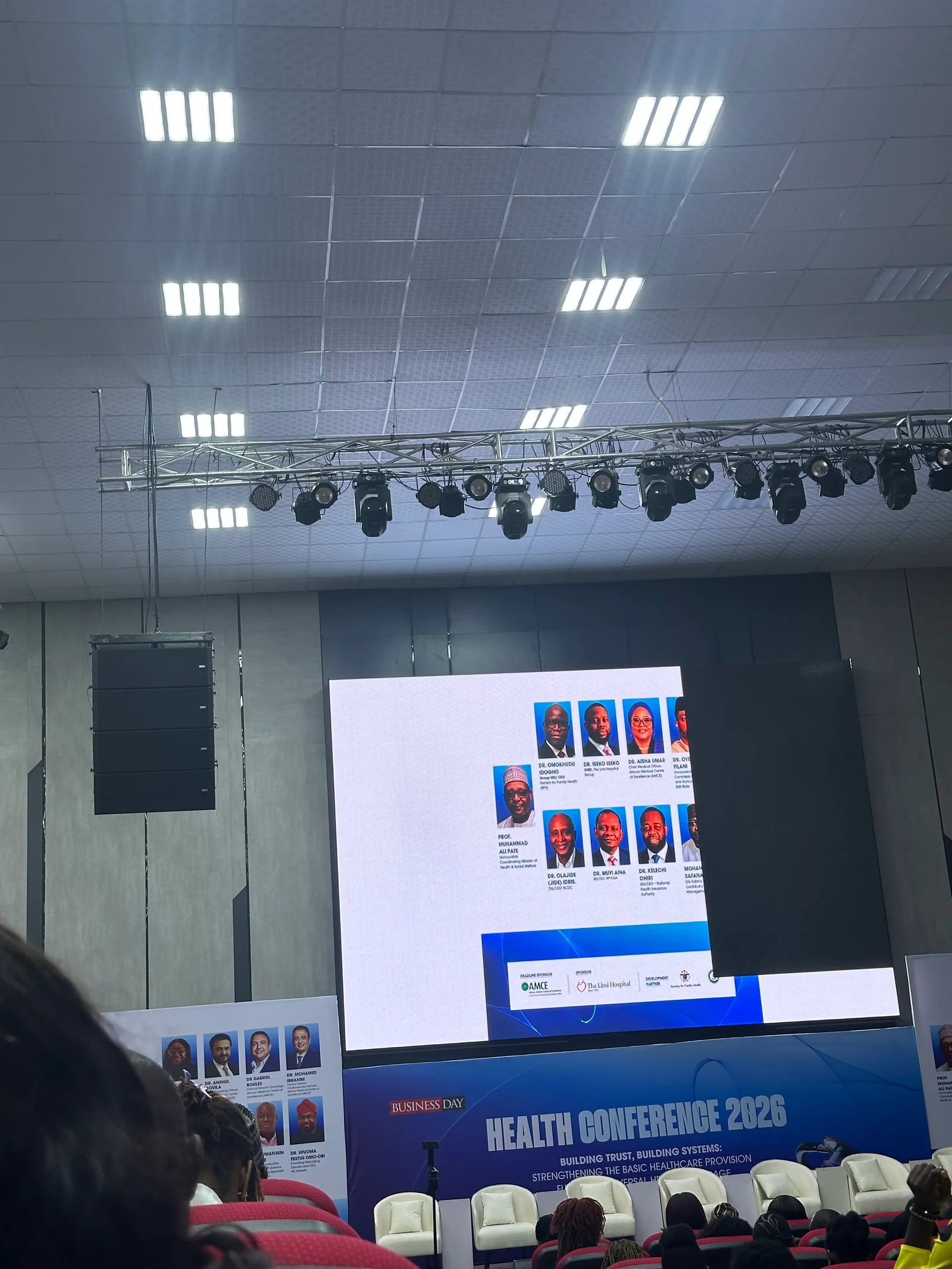
I recently attended the BusinessDay Health Conference in Abuja, where the conversation around Nigeria’s Basic Health Care Provision Fund, BHCPF, caught my attention.
The theme of the conference was:
“Building Trust, Building Systems: Strengthening the Basic Health Care Provision Fund for Universal Health Coverage.”
It was a fitting conversation for a country where millions of people still depend on primary healthcare centres as their first point of contact with the health system.
The BHCPF was created under the National Health Act to strengthen primary healthcare, improve access to essential services and provide additional funding for the basic healthcare needs of Nigerians, particularly poor and vulnerable populations.
The National Primary Health Care Development Agency describes it as a catalytic source of funding for primary healthcare facilities and routine operational needs. (NPHCDA)
But as I listened to the discussions at the conference, I kept coming back to a simple question.
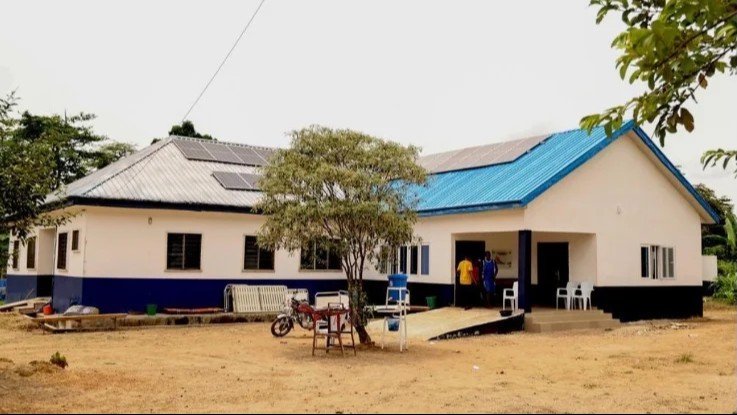
How much does a primary healthcare centre actually have to work with?
So how much reaches the PHC?
Under the revised BHCPF 2.0 framework, the Direct Facility Financing component is now differentiated according to facility workload and service utilisation.
Facilities in the lower tier receive ₦600,000 per quarter, while facilities in the higher tier receive ₦800,000 per quarter. When divided across three months, that is approximately ₦200,000 to ₦266,667 per month.
It is important to clarify that this does not mean a PHC receives a monthly salary or that ₦200,000 represents the entire cost of running the facility.
BHCPF has several components. The NPHCDA gateway, for example, supports direct facility financing as well as human resources for primary healthcare. Other parts of the fund support health insurance, emergency medical treatment and public health security. (NPHCDA)
The Direct Facility Financing component is intended to support practical needs at the facility level, including essential drugs and consumables, minor repairs, community outreach, equipment maintenance and transport.
That sounds useful.
But then we need to ask what those things actually cost.
Is ₦200,000 enough?
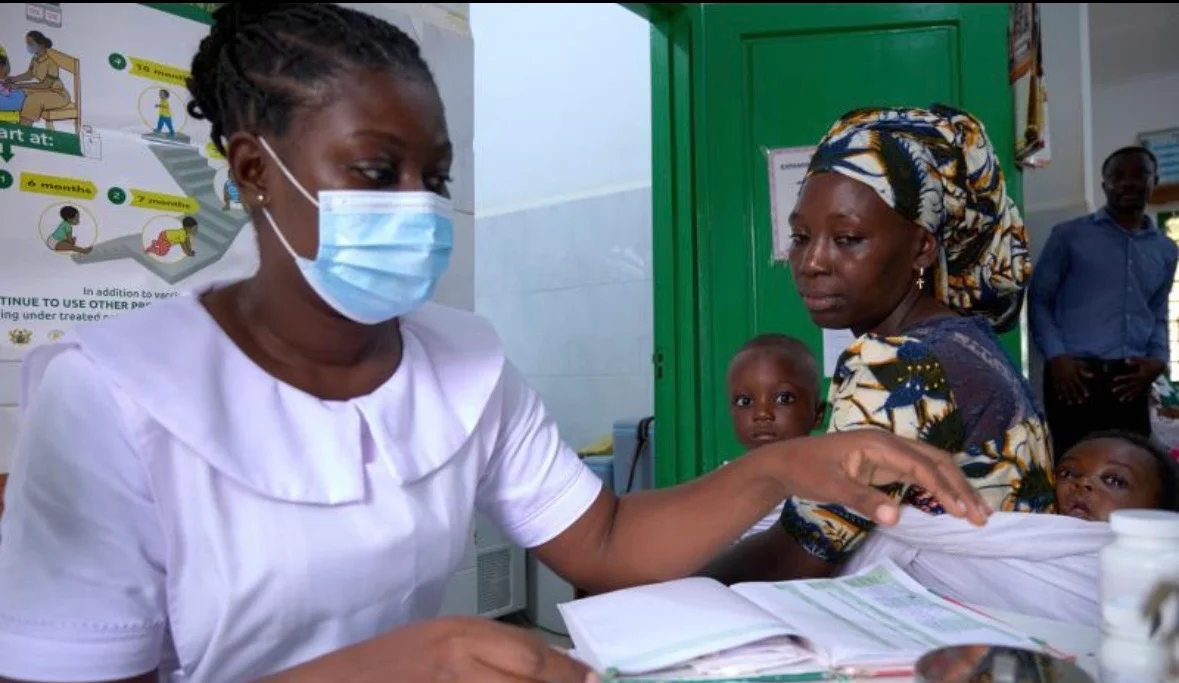
Imagine a primary healthcare centre serving a community every day.
People arrive for antenatal care. Children need immunisation. Someone needs treatment for malaria. Another patient needs basic medicines. The facility may need to conduct community outreach. A piece of equipment may require maintenance. A leaking roof, broken door or damaged plumbing may need attention.
These are not hypothetical needs.
They are part of what it means to keep a healthcare facility functioning.
Now place an average of ₦200,000 beside all of that.
The money can certainly make a difference. It would be wrong to suggest otherwise. For a smaller facility, it may provide meaningful support for important operational needs.
But for a busy facility serving a larger population, the question becomes much harder.
How far can ₦200,000 really go?
This is where I believe the national conversation about healthcare financing needs to become more grounded in the reality of the people working at the facility level.
It is one thing to announce that billions of naira have been disbursed. It is another thing to look at what that money means when it reaches the facility where a mother arrives at 2 am or where a child needs treatment.
More patients should mean more resources
One thing I find encouraging about BHCPF 2.0 is the move away from treating every facility exactly the same.
The NPHCDA says the new two tier Direct Facility Financing system considers service utilisation, workload and outcome data. Facilities are assessed based on their performance, with higher tier facilities receiving a higher allocation. (NPHCDA)
That is a reasonable direction.
A primary healthcare centre serving 500 people should not necessarily have the same operational requirements as one serving several thousand.
But patient volume should not be the only consideration.
A facility in a remote community may face higher transportation costs. Another may have a high maternal and child health burden. Another may serve a community where poverty means that the PHC is practically the only affordable source of healthcare.
The funding formula therefore needs to keep evolving.
It should reflect not only how many people use a facility, but also the realities of the population that facility serves.
We are already seeing increased demand
There is another reason this conversation matters.
According to the Federal Ministry of Health and Social Welfare, visits to BHCPF supported primary healthcare facilities increased from about 10 million in early 2024 to 45 million by the middle of 2025. (Health Nigeria)
That is a significant increase in utilisation.
And increased utilisation is exactly what we want from primary healthcare.
People should use their local health facilities instead of avoiding them because of poor service or lack of resources.
But increased utilisation also creates a responsibility.
If more people are coming through the doors, the facilities need enough resources to serve them.
It would be difficult to build public confidence in primary healthcare while expecting facilities to continually stretch limited resources.
Nigeria has to fund primary healthcare for the reality we want
The Federal Government has reported that more than ₦339 billion has been disbursed through the BHCPF since its establishment, with ₦235 billion released within the last three years. The government has also proposed increasing the statutory allocation to the BHCPF from one percent to two percent of the Consolidated Revenue Fund. (Health Nigeria)
These numbers show that healthcare financing is receiving greater attention.
But I think the next conversation should go beyond the question of how much has been released.
We should ask whether the funding is enough to provide the level of healthcare we expect.
If we want primary healthcare centres to provide reliable services, they need reliable financing.
If we want more Nigerians to use them, they need the capacity to handle more patients.
If we want communities to trust them, patients need to see that investment reflected in medicines, equipment, functional facilities and quality services.
Accountability is important too.
The NPHCDA has introduced Performance and Financial Management Officers to help monitor funding, expenditure and service delivery at facility level. These officers are expected to verify whether reported spending reflects what is actually happening on the ground. (NPHCDA)
That is the kind of accountability that should accompany increased funding.
More money without accountability is a problem.
But accountability without adequate funding is also a problem.
Nigeria needs both.
The real test is at the facility
The BHCPF is an important mechanism for moving resources closer to Nigerians.
The reforms are encouraging. The increased utilisation of primary healthcare is encouraging. The move towards differentiated funding is also encouraging.
But we should continue asking difficult questions.
What does it actually cost to run a functional PHC?
Does the funding reflect the number of people being served?
Does it reflect the needs of the community?
And can a facility realistically provide the services we expect from it with the resources available?
For me, these are more important questions than simply celebrating the amount of money disbursed.
Because the success of the BHCPF will not ultimately be determined by the size of a government announcement.
It will be determined by what happens when a Nigerian walks into a primary healthcare centre and needs help.
That is where the money becomes real.
That is where policy becomes healthcare.
And that is where Nigeria should be aiming to see the difference.